What Is Root Resorption?
Root resorption occurs naturally in children as primary teeth fall out to make room for permanent teeth. However, for permanent teeth, it is not a natural occurrence. If the roots of permanent teeth begin to resorb, the whole tooth is at risk. If left unaddressed, the resorption will continue under the gum tissues, which are not easily visible.
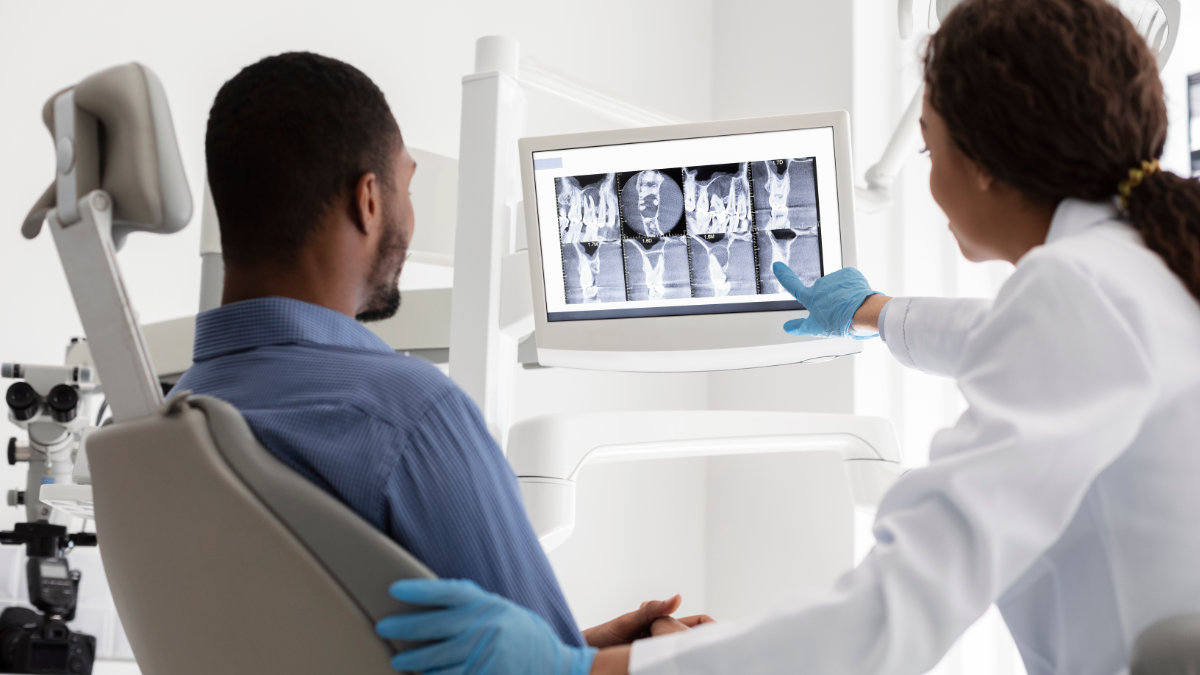
There are two types of resorption: internal and external. In internal resorption, the process begins in the tooth’s pulp chamber and gradually resorbs the inner tooth structure. In external resorption, the process begins on the outside of the tooth and can even resorb the surrounding bone structure. In most cases, patients do not even realize that they have this problem because it does not always cause discomfort in the early stages. It is usually detected through routine dental X-rays.
Some people may experience certain signs that indicate that something is wrong with their teeth, and this should not be taken lightly. These signs include increased sensitivity and discomfort, a pinkish discoloration on the tooth’s surface, and a feeling that the tooth is becoming loose. Early diagnosis is important in treating this process because it can affect treatment success.
Left Untreated, Root Resorption Can Lead to Tooth Loss — Act Now
At Forney Family Dentistry & Orthodontics in Forney, root resorption treatment varies depending on the extent and location of the damage. When detected early, root canal treatment can remove the damaged tissue and prevent the progression of internal and external root resorption. This aims to conserve as much healthy tooth structure as possible while preventing further damage. In other instances, other treatments may be recommended to promote good oral health.
When root resorption continues without treatment, the tooth may weaken to the point that it cannot be saved. The root structure will weaken to the point that it cannot support the tooth, leading to jaw instability. Infection may also occur, leading to pain, swelling, or bone tissue damage.
Treating root resorption early can greatly increase your chances of saving your original tooth and avoiding more complicated treatments in the future. An examination and imaging can help identify the best treatment option and determine if your tooth can be saved. If you experience unusual tooth sensitivity, color changes, or pain, scheduling an appointment can provide clarity and peace of mind. Early treatment can make a big difference in your smile.
